
Furnace Installation in North Port, FL
Furnace Installation from Sergeant's replaces a worn-out heating system with a correctly sized new one, whether that's a gas furnace, an electric air handler with heat strips, or a heat pump that heats and cools. You get a straight comparison of your options and upfront pricing before anything is installed.
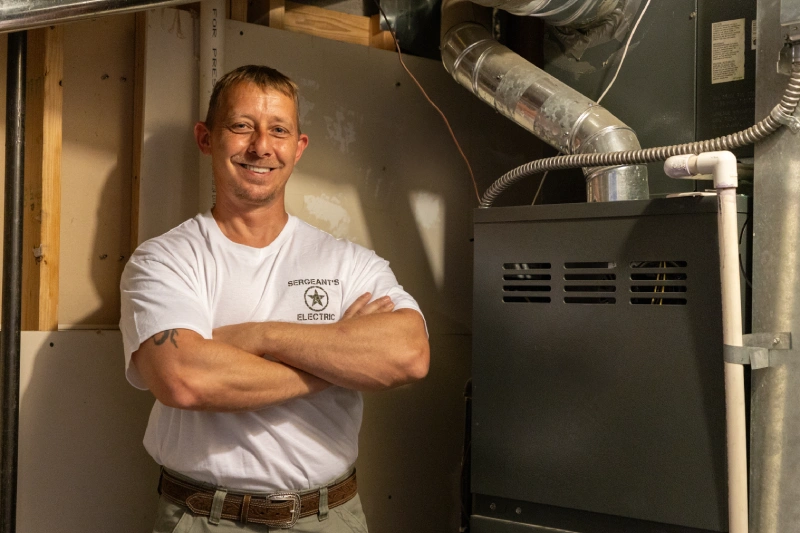
What Furnace Installation Involves and When It's Time
Furnace Installation is the removal of your old heating equipment and the sizing, installation and startup of a new system matched to your home. Most furnace installations happen because the existing system is near the end of its life, repairs have become frequent, or a major part has failed on an older unit.
In Southwest Florida, "furnace" covers more ground than it does up north. Some homes have a true gas furnace, but many have an indoor air handler with electric heat strips that homeowners call the furnace, and a growing number heat with a heat pump. That's why heating replacement here starts with a question, not a model number: what's the right system for your home and your power bill?
Gas Furnace, Electric Heat or Heat Pump: Choosing a Heating Replacement
A gas furnace replacement makes the most sense when the home already has natural gas or propane service and a working flue. Gas furnaces deliver hot air quickly and pair well with a separate central air conditioner.
An air handler with electric heat strips is the simplest setup and the least expensive to install, but resistance heat is the costliest way to warm a home by the hour. With heat needed only a handful of nights a year, some homeowners accept that.
A heat pump is the choice many Southwest Florida homeowners make when replacing heat, because it's also the air conditioner. It moves heat instead of making it, which is far more efficient than heat strips, and it handles our mild winters well, with heat strips as backup on the coldest mornings. If your air conditioner is aging too, look at our heat pump services before you decide.
What's Included in Furnace Installation
- An in-home assessment of your current system, ductwork, electrical service and, for gas, the supply line and venting
- A room-by-room load calculation so the new system is sized to the house, not just matched to the old unit
- A side-by-side comparison of system types and efficiency levels, with upfront pricing for each
- Permitting where the job requires it, and removal of the old equipment
- Installation of the new furnace, air handler or heat pump, connected to your ductwork and thermostat
- For gas furnaces: gas line connection, leak testing and confirmation that the flue vents properly
- Drain and electrical connections, safety control testing, and a full startup test
- A walk-through of the new system, floor protectors and full cleanup
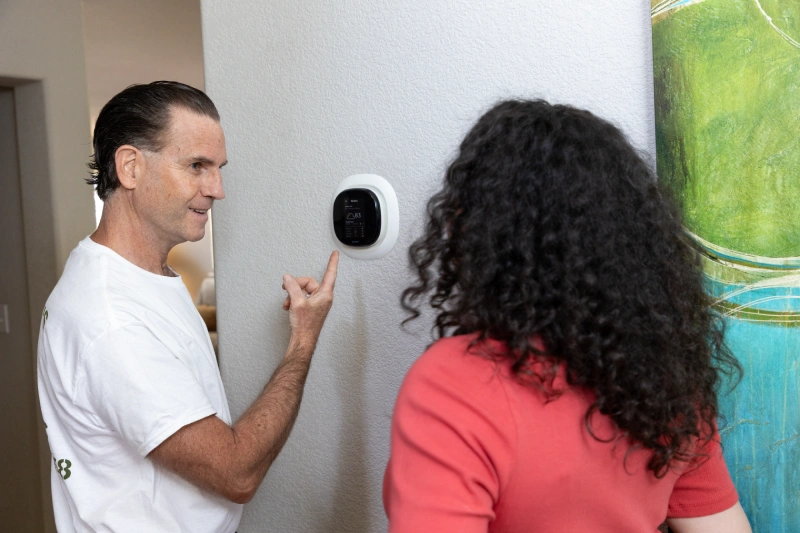
Why Correct Sizing and Installation Matter
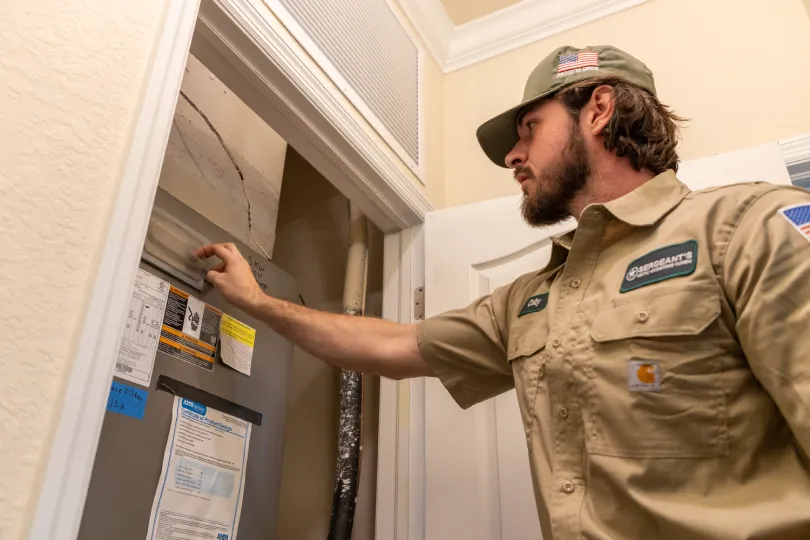
A heating system performs only as well as it's installed. An oversized unit heats in short bursts and wears out faster, while an undersized one runs constantly on cold nights.
Sizing here has to account for cooling, too. A heat pump also handles our long cooling season, so the load calculation looks at insulation, windows, sun exposure and humidity, not just winter lows.
Installation details decide how long the system lasts. Sealed duct connections, a properly sloped condensate drain, a correct refrigerant charge and, for gas furnaces, a properly vented flue all affect efficiency and safety. The U.S. Department of Energy's overview of home heating systems explains the main system types and how their efficiency is rated.
What Happens During a Furnace Installation
- A background-checked, drug-screened technician visits for an in-home assessment of your equipment, ductwork and electrical or gas service.
- We run a load calculation and walk you through your options, with upfront pricing for each.
- You choose the system, and we handle permitting where the job requires it and schedule the installation.
- On installation day, we lay down floor protectors and remove the old equipment.
- We install the new system and make the electrical, gas, refrigerant, duct and drain connections.
- We measure airflow and temperatures through a full heating cycle (and a cooling cycle for heat pumps).
- We walk you through the new system and clean up completely.
Frequently Asked Questions
Not always. If the air conditioner is about the same age as your heating system, replacing both during Furnace Installation lets the new equipment be matched for efficiency and airflow in one visit. If the air conditioner is newer and in good shape, a new furnace or air handler can often be paired with it. Many homeowners also compare a single heat pump, which replaces both, with air conditioning installation options.
Furnace Installation is worth considering when the system is near the end of its expected life, repairs are becoming frequent, energy bills keep rising without explanation, or a major part such as the heat exchanger (the part that keeps combustion gases out of the air you breathe) has failed. Rooms that won't hold an even temperature are another sign. Ask for repair and replacement prices side by side, and if a repair makes more sense, our heating repair team can handle it.
Most Furnace Installation projects are completed in one day once the equipment is on site. A straight gas furnace replacement or air handler swap in the same location is typically quickest. Switching fuel types, ductwork changes or new gas or electrical lines can add time, and permitting can affect the start date. Your installer gives you a realistic schedule during the in-home assessment.
For many Southwest Florida homes, a heat pump is the better fit, because it heats and cools with one system and our winters are mild enough for it to work efficiently. Furnace Installation still makes sense when a home already has gas service and a working flue, when the homeowner prefers the hotter air a gas furnace delivers, or as part of a dual fuel setup. A load calculation and side-by-side pricing make the decision clear.
The right size for Furnace Installation comes from a load calculation, not the size of the old unit or square footage alone. It looks at insulation, windows, sun exposure, ductwork and construction to work out how much heating, and for heat pumps how much cooling, the house needs. An oversized system short-cycles and wears out faster, and an undersized one runs constantly on cold nights.
What Affects the Cost of Furnace Installation
The price depends on the system you choose and what the installation requires:
- The type of system: gas furnace, electric air handler with heat strips, heat pump or dual fuel
- The system size and the efficiency rating you choose
- Whether ductwork needs repair, sealing or modification
- Gas line, venting or electrical changes, especially when switching fuel types
- Where the equipment sits, such as a tight attic, garage or closet
- Whether the air conditioner is replaced at the same time
You'll get upfront pricing for each option before any work begins.
Why North Port Homeowners Choose Sergeant's
Sergeant's works under a Florida mechanical license, and where the job requires a permit, it's permitted. Our heating system installers are background-checked and drug-screened and clean up fully after every job.
Our recommendations are honest, with no unnecessary upselling, including telling you when a repair still makes more sense than a replacement. If you'd like another set of eyes on a quote, a Free Second Opinion is available before you decide.
Veterans, active military and first responders receive the Heroes Membership complimentary. It keeps a yearly Deep Clean and Tune-Up on the calendar and adds priority booking and repair discounts. We install throughout our North Port service area.
Plan Your Furnace Installation With Clear Options
Start with an in-home assessment and a side-by-side look at gas, electric and heat pump options, each with upfront pricing. The choice is yours, with no pressure either way.