
Whole-Home vs. Portable Generators: Which Is Right for Your North Port Home?
A whole-home generator is permanently installed, runs on natural gas or propane, and starts on its own when the power goes out. A portable generator costs less, but you set it up, fuel it and choose what it powers.
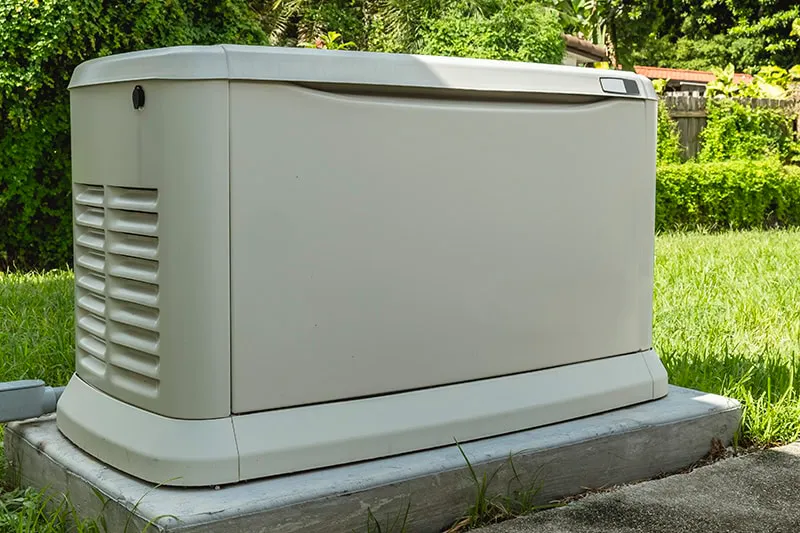
A whole-home generator is permanently installed, runs on natural gas or propane, and starts on its own when the power goes out. A portable generator costs less, but you set it up, fuel it and choose what it powers. For North Port homes, the choice comes down to what must keep running and how hands-on you want to be.
What Is the Difference Between a Whole-Home and a Portable Generator?
The core difference is automation and capacity. A whole-home generator (also called a standby generator) sits on a pad outside your home, connects to your electrical panel through an automatic transfer switch, and restores power within moments of an outage, even if no one is home. A portable generator is a wheeled unit you roll outside, start, fuel with gasoline and connect when you need it.
Whole-home (standby) generator
Portable generator
Starts
Automatically when utility power drops
Manually, by you
Fuel
Natural gas or propane, no refueling trips
Usually gasoline, refueled by hand
What it powers
Most or all of the home, including central air, depending on size
Selected circuits or appliances
Connection
Permanently wired with an automatic transfer switch
Extension cords, or an inlet and interlock or transfer switch
Permit
Required when connected to your home's electrical service
Not for plug-in use; required for a permanent connection
Upfront cost
Higher
Lower
Best for
Longer outages, medical equipment, homes often empty during storms
Budget-conscious backup for essentials
Can a Portable Generator Power a Whole House?
Usually not all at once. Most portable generators can run a refrigerator, lights, fans, a few outlets and possibly a smaller air conditioner or window unit, but a central air conditioning system, electric water heater and electric range together typically exceed what a portable unit can supply. The practical approach is to choose the circuits that matter most.
The safe way to do that is with a generator inlet and an interlock or transfer switch, which lets a portable generator feed selected circuits in your panel without a tangle of extension cords. Sergeant's Electric connects portable generators to existing electrical panels for exactly this reason. See our electrical installation services for what that work includes.
Which Is Better for Florida Hurricane Season?
It depends on how long you need to ride out an outage and how you'll handle fuel. After a hurricane, gasoline can be hard to find and portable generators need refueling many times a day. A whole-home generator running on a natural gas line, or on a propane tank sized for the home, avoids those trips.
On the other hand, a portable generator is useful beyond storms and costs far less to buy. Many North Port households start with a properly connected portable unit and move to a standby system later. Neither choice is universally better. The right one is the one that matches your home, budget and household.
What Should You Consider Before Choosing?
Start with what you need to keep running, then work backward to the generator. These questions narrow it down quickly:
- What must stay on? Refrigeration, lights and fans only, or central air, a well pump, medical equipment and the whole kitchen?
- Who will operate it? Portables need someone home and able to move, fuel and start them. Standby units don't.
- What fuel is available? Where natural gas service isn't available, a standby generator can run on propane from an above-ground or buried tank.
- Where will it go? Both types need safe placement. A standby unit needs a permitted location with manufacturer clearances; a portable needs a dry spot well away from the house.
- What does your electrical panel look like? An older or full panel may need work before any generator connection. Our electrical panel upgrades page covers what that involves.
How Is a Whole-Home Generator Sized?
A whole-home generator should be sized from a load calculation, not a guess. The City of North Port's generator guidelines require an itemized list of the loads the generator will serve, including air conditioner and other motor starting loads, and say the calculated load must not exceed the generator's rated output.[6]
That matters because air conditioner compressors draw a burst of current when they start. A generator that looks big enough on paper can struggle if it wasn't sized for those starting loads. When Sergeant's Electric installs a whole-home generator, the team sizes the system for the home before recommending a unit.
Do You Need a Permit for a Generator in North Port?
Yes, if the generator connects to your home's electrical service. North Port requires a permit before installation and a City inspection when the work is complete, and it asks for a site plan, the fuel source, manufacturer's specifications, the load list and feeder diagrams.[6] The City strongly recommends hiring a licensed and insured electrical contractor.
A portable generator used only through its own built-in outlets doesn't need a permit, but North Port notes it must be placed well away from the home and any air intake. Sergeant's handles permitting on the electrical work it installs, so you're not left to sort out the paperwork.
How Do You Use a Portable Generator Safely?
Run it outdoors only, far from doors, windows and vents, and never in a garage, even with the door open. CPSC warns that generator exhaust contains carbon monoxide, which you can't see or smell and which can kill in minutes in an enclosed space.[5]
A few more rules from CPSC worth following every time:
- Never plug a generator into a wall outlet to power the house. That's called backfeeding, and it can electrocute utility workers and neighbors.
- Keep the generator dry and operate it on a dry surface under an open, canopy-like cover.
- Install battery-powered or battery-backup CO alarms inside the home.
- Store fuel outside living areas and let the generator cool before refueling.
Frequently Asked Questions
Is a whole-home generator worth it in North Port?
A whole-home generator is worth it if you need central air, medical equipment or refrigeration kept running through multi-day outages, or if the home is often empty during storms. If you mainly need a refrigerator, lights and fans, a properly connected portable generator is often enough.
How long can a whole-home generator run?
A standby generator on a natural gas line can run as long as gas is supplied and the unit is maintained. On propane, runtime depends on tank size and how much of the home the generator is carrying, so size the tank with the load in mind.
Can I plug my portable generator into a dryer outlet?
No. Plugging a generator into any household outlet backfeeds the home's wiring, which CPSC warns can electrocute utility workers and neighbors and bypasses household circuit protection. Use extension cords to appliances, or have an inlet and interlock or transfer switch installed.
Does a whole-home generator need maintenance?
Yes. Standby generators have engines, batteries and filters that need periodic service, and most run a short automatic exercise cycle to stay ready. Follow the manufacturer's service schedule so the generator starts when you need it.
What size portable generator do I need?
Add up the running watts of everything you want to power at once, then allow extra for the starting surge of motors like refrigerators and well pumps. An electrician can help you choose which circuits to connect so the generator isn't overloaded.
Choose the Right Backup Power for Your Home
If you're leaning toward a standby system or want your portable generator connected safely, Sergeant's Electric can size the setup, handle the permit and install it to Florida code. Talk to an electrician in North Port about the right backup power for your home.
Save on Your Next Home Service
Keeping your home comfortable and running smoothly shouldn’t have to stretch your budget. Explore current specials from Sergeant's and save on select heating, cooling, plumbing, and indoor air quality services. Check out our latest offers and schedule your service today.