
How a Generator Inlet Lets You Power Your Home Without Extension Cords
A generator inlet box is a weatherproof outdoor connection that lets a portable generator feed your home's electrical panel through one heavy-duty cord. Paired with an interlock kit or transfer switch, it powers the circuits you choose, lights, refrigerator, fans, even a well pump, without extension cords snaking through windows or the risk of backfeeding the utility lines.
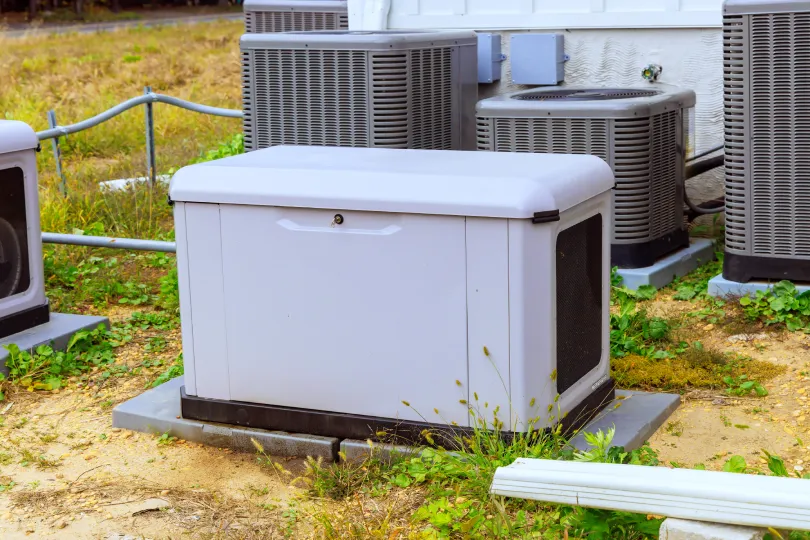
A generator inlet box is a weatherproof outdoor connection that lets a portable generator feed your home's electrical panel through one heavy-duty cord. Paired with an interlock kit or transfer switch, it powers the circuits you choose, lights, refrigerator, fans, even a well pump, without extension cords snaking through windows or the risk of backfeeding the utility lines.
What Is a Generator Inlet Box?
A generator inlet box is a permanently mounted receptacle on the outside of your home that accepts a generator cord. Inside, it's wired to your electrical panel. Instead of running cords from the generator to each appliance, you plug one cord from the generator into the inlet, and power flows to the circuits you've selected at the panel.
A complete setup has three parts:
- The inlet box, mounted outside near where the generator will sit
- A generator cord matched to the inlet and to the generator's outlet, commonly 30 or 50 amps
- An interlock kit or transfer switch at the panel, which keeps utility power and generator power from ever connecting at the same time
That third part is what makes the setup safe, and it isn't optional. When Sergeant's Electric installs a generator inlet, the goal is a code-compliant connection, which in North Port means all three parts.
Why Isn't the Inlet Enough on Its Own?
Because without an interlock or transfer switch, generator power could flow back out through your service line to the utility grid. That's backfeeding. CPSC warns it's "extremely dangerous" and presents an electrocution risk to utility workers and neighbors served by the same transformer.[5]
The City of North Port's guidelines are specific here. Permanently installed equipment for connecting a portable generator must include an interlock device that prevents the utility supply and the generator supply from connecting to each other, the connection must be a UL-listed power outlet, and back-feeding outlets inside the home is not permitted.[6]
Interlock Kit or Transfer Switch: Which Do You Need?
Both prevent backfeeding. They differ in how you choose which circuits run.
Interlock kit
Manual transfer switch
What it is
A sliding plate on your main panel that physically blocks the main breaker and generator breaker from being on together
A separate small panel wired to selected circuits
Circuit choice
Any circuit in the panel, turned on or off as needed
Only the circuits wired to the switch
Space needed
Uses space in your existing panel
Mounted next to the panel
Flexibility
High, you manage load at the breakers
Simpler to operate, fewer decisions during an outage
Good fit
Panels with an open slot and a homeowner comfortable managing breakers
Households that want a set list of essentials
An electrician can tell you which suits your panel. Some older panels don't have a compatible interlock kit, which makes a transfer switch the better route.
How Does It Work During an Outage?
It takes a few minutes and a set routine. Your electrician should walk you through your exact setup, but the general sequence looks like this:
- Place the generator outdoors on a dry surface, far from doors, windows and vents, then connect the cord to the generator and the inlet.
- Start the generator and let it warm up.
- At the panel, switch off the branch circuits and the main breaker, move the interlock (or set the transfer switch to generator), then turn on the generator breaker.
- Turn on the circuits you want one at a time, starting with the largest loads.
- When utility power returns, reverse the steps: circuits off, generator breaker off, main breaker back on, then shut down the generator.
Why Is This a Job for a Licensed Electrician?
Because the work happens inside your electrical panel and has to meet code and pass inspection. North Port requires a permit for any generator connected to a home's electrical service and a City inspection when the work is done, and the City strongly recommends a licensed and insured electrical contractor.[6] The same guidelines require permanent signs at the service disconnect and meter identifying the standby power source.
An installer also has to match the inlet, cord, breaker and wire size to your generator's output, choose a weather-rated inlet location that keeps the generator a safe distance from the house, and confirm your panel can accept an interlock. Sergeant's Electric connects portable generators to existing electrical panels and handles the permitting, so the finished setup is documented and inspected. Our electrical installation services page lists the generator work we do.
What Size Inlet and Cord Do You Need?
Match the inlet to the largest outlet on your generator. Many portable generators have a 30-amp twist-lock outlet; larger models add a 50-amp outlet. Using a 50-amp inlet with a generator that only has a 30-amp outlet means buying an adapter or a new cord later, so size it right the first time.
The cord should be rated for outdoor use, long enough to keep the generator well away from the house, and free of cuts or damaged prongs. If your panel is older or already full, it may need work first. Our electrical upgrades page covers panel replacements.
Is a Generator Inlet Worth It Before Hurricane Season?
For most homes that already own a portable generator, yes. An inlet setup removes the extension cords, lets you run hardwired equipment like a well pump or ceiling fans that can't plug into a cord, and keeps the generator outside where it belongs. It's also far less expensive than a whole-home generator. The best time to install one is before storm season, not the week a storm is in the forecast, when electricians and permit offices are busiest. Sergeant's Electric installs generator inlets for homes in North Port, Sarasota, Venice, Bradenton and the rest of its Southwest Florida service area.
Frequently Asked Questions
Can I install a generator inlet box myself?
In North Port, connecting a generator to your home's electrical service requires a permit and a City inspection, and the City strongly recommends a licensed electrical contractor. The work is inside an energized panel, so it's not a safe DIY project.
Can a generator inlet run my central air conditioner?
Sometimes. It depends on the generator's output and the air conditioner's starting load. Many portable generators can't start a central system, so most inlet setups focus on refrigeration, lights, fans and outlets. An electrician can check the numbers for your equipment.
Is an interlock kit legal in Florida?
An interlock kit is an accepted way to prevent backfeeding when it's listed for your panel and installed under a permit. North Port's guidelines specifically call for an interlock device on manual transfer equipment for portable generators.
Do I still need extension cords with an inlet?
No, not for the circuits connected through the panel. You'll use one generator cord from the generator to the inlet. Extension cords are only needed for anything on a circuit you've left off.
Where should the inlet box go?
Outside, on a wall where the generator can sit on a dry surface far from doors, windows and vents. The spot should also keep the cord run reasonable. Your electrician will pick a location that meets code and keeps exhaust away from the home.
Get Your Generator Connected Before the Next Outage
If you have a portable generator and want to stop running cords through the house, Sergeant's Electric can install a code-compliant inlet with an interlock or transfer switch and handle the permit. Contact an electrician in North Port to plan your setup.
Save on Your Next Home Service
Keeping your home comfortable and running smoothly shouldn’t have to stretch your budget. Explore current specials from Sergeant's and save on select heating, cooling, plumbing, and indoor air quality services. Check out our latest offers and schedule your service today.